
ANCO unites Nawgu citizens abroad, preserving identity and turning goodwill into action.
A connection that distance could not diminish.
ANCO began with a simple conviction: wherever Nawgu citizens lived, they should remain connected to one another and to home. Early gatherings created fellowship, practical support and a common voice.
Over time, that circle grew into an established international community, one that continues to evolve while holding close the values that inspired its beginning.
Learn more
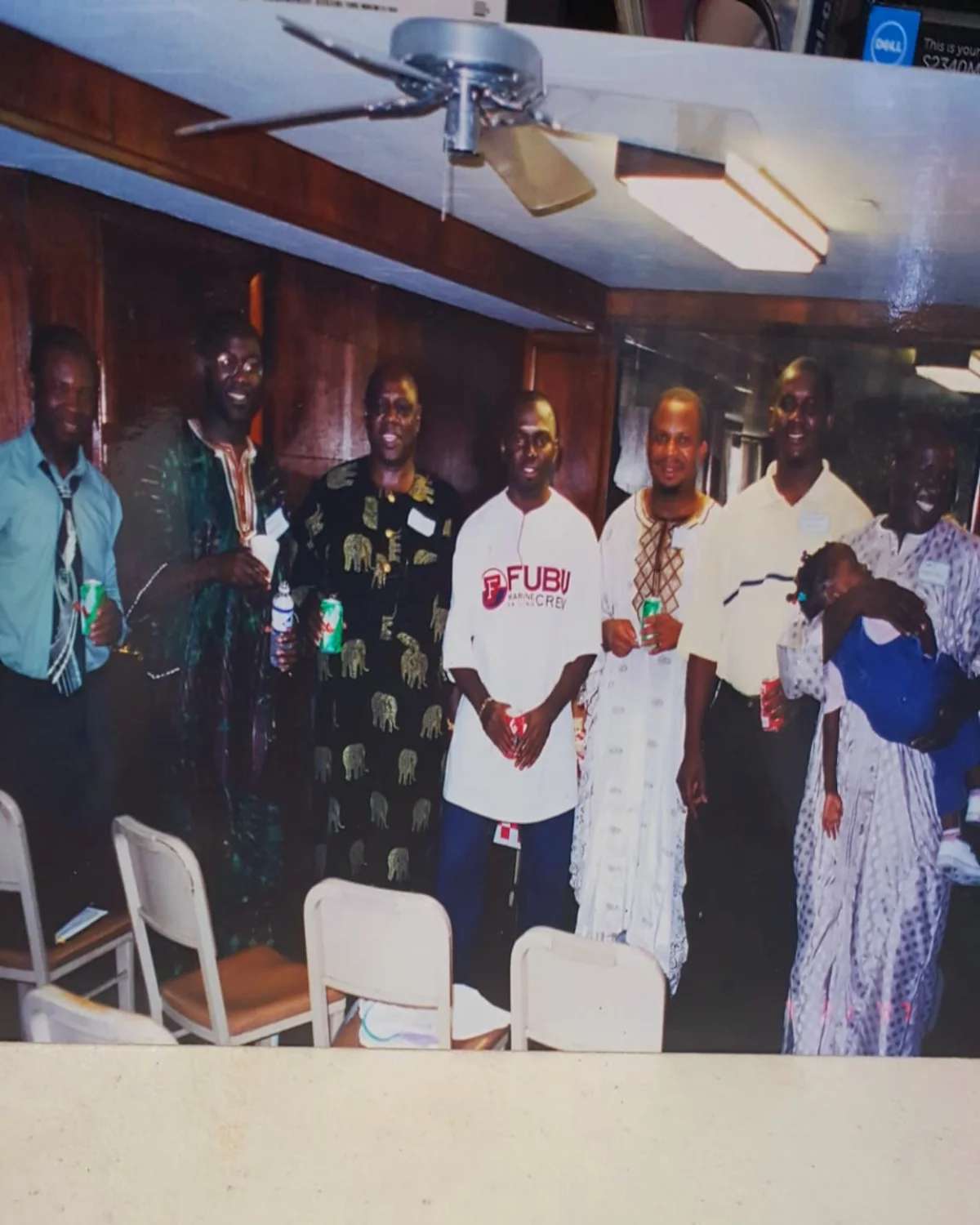
Inaugural meeting of ANCO
History of Nawgu
Nawgu is a historic and peaceful town in Dunukofia Local Government Area of Anambra State, southeastern Nigeria. It is one of the six communities that make up the Local Government Area, alongside Ukpo, Ifitedunu, Umunnachi, Umudioka, and Ukwulu. Prior to the creation of Dunukofia Local Government Area in 1995, Nawgu was part of Njikoka Local Government Area.
Geographically, Nawgu shares boundaries with Enugu-Agidi to the east, Ukwulu to the west, Isu-Aniocha and Urum to the north, and Abba to the south. The town is traditionally made up of six villages, arranged according to seniority: Ezimezi, Idede, Akamator, Ollor, Ifiteora, and Akwueso. The community has an estimated population of about 30,000 people.
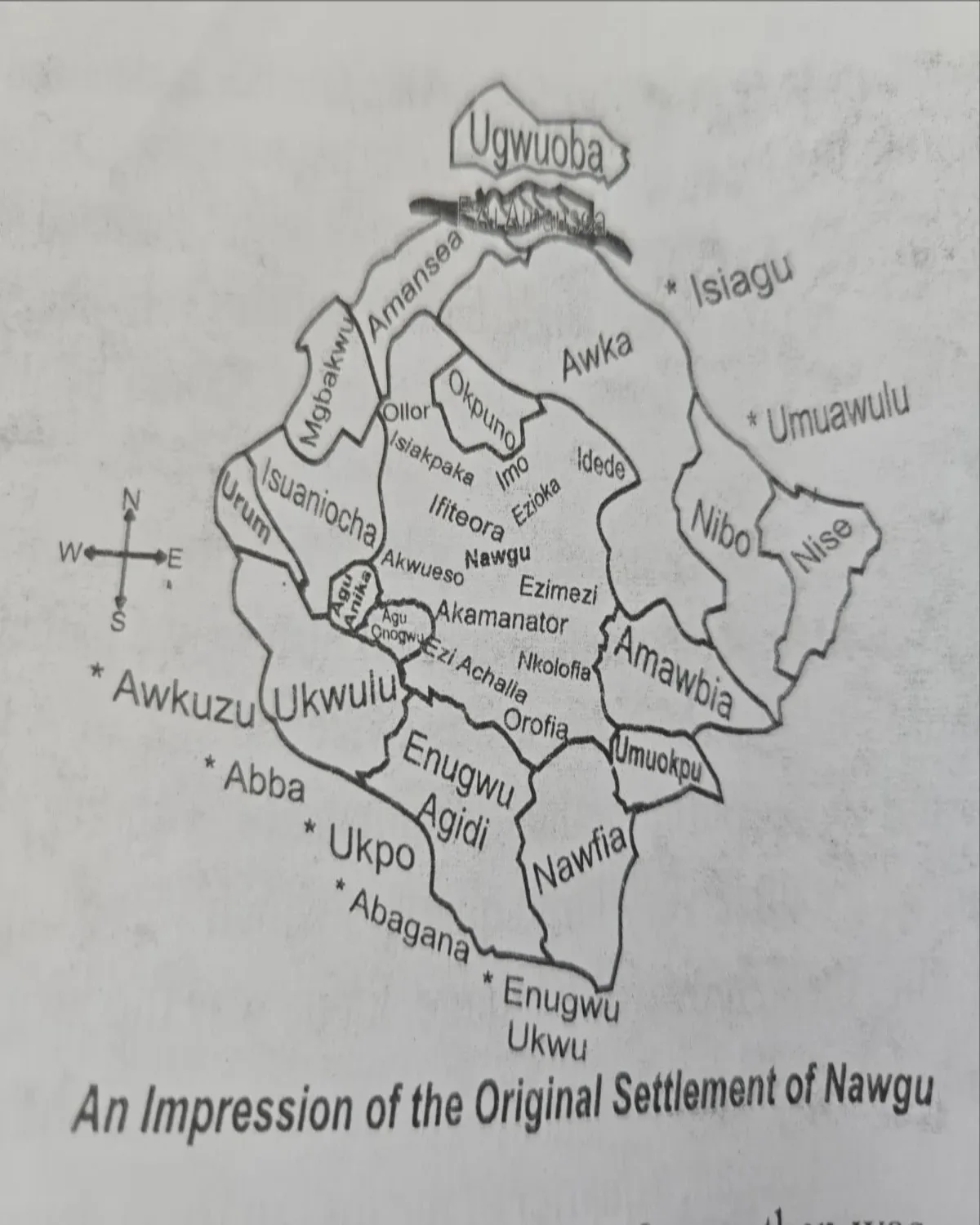
ORIGINS AND EARLY HISTORY
According to Nawgu's oral tradition, the Father of Nawgu was Nosi, a renowned warrior who participated in a number of communal wars. Tradition holds that Nosi returned from one of his successful campaigns around the time a male child was born to him. He named the child Nno-ogu, meaning "welcome from war." His siblings are traditionally identified as Ugwuoba, Awka, Nibo, and Nise.
The early settlement of Nawgu is traditionally associated with the area of present-day Awka. At a later period, a communal conflict arose between Nawgu and Awka, an event remembered in Nawgu oral history as Ogu-Amakom. The conflict led to the dispersal of Nawgu's inhabitants and marked a significant turning point in the community's history.
Following this period of migration, Nawgu eventually established its present settlement at Agu-onogu. Tradition further holds that the community acquired additional land from Ukwulu during the process of establishing its present home.
EDUCATION
Education has remained an important part of the development of Nawgu. The community is home to several educational institutions that have served generations of its people, including:
- St. Michael Primary School
- Iruka Primary School
- Migrant Primary School
- Community Secondary School, Nawgu
TRADITIONAL LEADERSHIP
Following the migration and establishment of Nawgu in its present location, the community has been guided by a succession of traditional leaders. Among those remembered in the community's history are:
- Chief Odume
- Warrant Chief Echeazu Mgbokwu
- Warrant Chief Okonkwo Echeazu Idejiogugu
- HRH Igwe Gabriel Nwegwu — Igwe Ezeudo
- HRH Igwe George Okaa Onwuogu — Igwe Orachili
FESTIVALS
We have some cultural practices as obtainable in other communities in Igboland. Our major festivals are the Onwa Asato celebration. It involves various masquerade displays and dances that connects the entire community, while some people in the diaspora even return home for the event. It marks the end of the year and beginning of a new one.
We celebrate the Iwa ji or Ifejoku festival, a very big feast usually performed around September/October to mark the successful harvest of yams, before the official permission to eat new yams. It involves prayers and offerings to the gods and ancestors for a rich harvest, biggest yam competitions, dance presentations and enjoyment of roasted yam with palm oil stew. The annual Ofala festival celebrated by the Igwe is still in vogue.
Today, Nawgu remains a close-knit community with a strong sense of history, identity, and tradition. Its villages, institutions, and traditional leadership continue to reflect the heritage passed down through generations. The community's history, preserved both through oral tradition and through the experiences of its people, remains an important part of the identity of Nawgu and its place within Dunukofia Local Government Area.